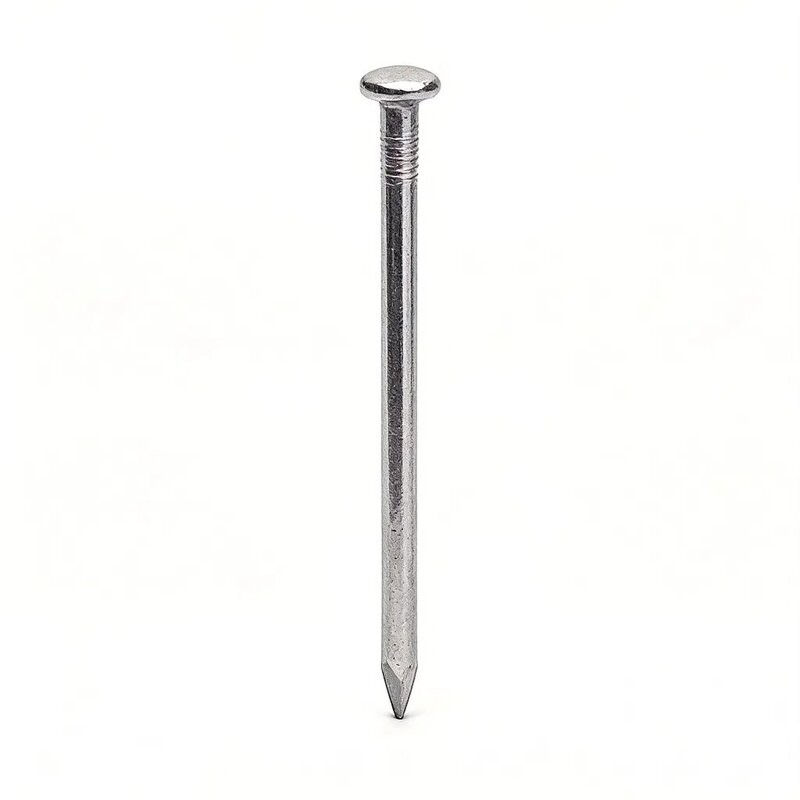
Why Bulk Nail Pricing Is Not a Single Number
Bulk nail pricing for wholesale orders is rarely expressed as one fixed figure. Instead, the price per unit reflects a combination of variables that interact with one another: the grade and cost of raw material, the manufacturing process, the physical specifications of the nail, the total order quantity, the supplier's production capacity and scheduling, any customization work, and the packaging and logistics arrangements that move the goods to the buyer. Because each of these elements can shift independently, two orders for what appear to be the same product can carry different wholesale prices.
This guide outlines the common cost factors that shape how Bulk Nails are priced for wholesale orders. It is intended as a structural explanation of the pricing logic rather than a quotation, and it does not provide specific prices, since those depend on the exact requirements of each order and the terms agreed between buyer and supplier.
Core Cost Factors in Bulk Nail Pricing
Raw Material and Nail Manufacturing Cost
The starting point for any bulk nail cost structure is the raw material. Nails are typically produced from steel wire, and the grade, diameter, and tensile properties of that wire influence both the base material cost and how easily it can be formed into the finished product. Wire intended for structural or high-load applications generally carries different requirements than wire used for lighter fastening tasks, and those differences are reflected in the input cost.
Surface treatment and finish also contribute to nail manufacturing cost. Coatings such as galvanizing, electroplating, or other protective finishes add processing steps and materials, and the type and thickness of the coating affect both durability and price. In addition, steel is a globally traded commodity, so material market fluctuations can move the base cost of bulk nails over time even when the specification stays the same.
Beyond the material itself, manufacturing cost includes the energy consumed in drawing, forming, heading, and finishing the nails, the labor involved in operating and supervising production lines, and the wear and replacement of equipment such as dies and tooling. These overhead components are distributed across the units produced, which is one reason why production efficiency and run length matter to the final wholesale price.
Nail Specifications: Size, Shank Type, and Collation
The physical specification of a nail is one of the most direct drivers of bulk nail order pricing. Dimensions such as diameter and length determine how much material is used per nail and how the production equipment must be set up. Shank type is equally important: a smooth shank, a ring shank, and a screw shank each require different forming operations and offer different holding characteristics, and the tooling and cycle time associated with each can differ.
Suppliers may offer a range of standard sizes and shank options, and they may also customize nail sizes to meet specific requirements. As a reference point for the range of customization that can exist in this category, one enterprise's publicly stated capability includes producing nails from 2.1*22mm to 3.8*130mm, with shank types including ring, screw, and smooth. When a buyer requires a size or shank type outside the standard range, the supplier may need different tooling or a dedicated production run, and those setup requirements can be reflected in the quoted price.
Collation is another specification factor. Nails are often assembled into strips or coils for use in powered nailers, and the collation method affects the materials and assembly steps involved. This is discussed further in the product-specific section below.
How Order Volume and Production Capacity Affect Wholesale Nail Supplier Pricing
Economies of Scale in Bulk Nail Order Pricing
Order quantity is one of the most familiar levers in wholesale nail pricing. Larger orders typically lower the per-unit price because fixed costs — such as machine setup, tooling preparation, and administrative handling — are spread across more units. Material purchasing can also become more efficient at higher volumes, since suppliers may buy wire in larger quantities and reduce per-unit procurement overhead. Packaging and handling costs per unit often decline as well when the same packaging format is used for a long run.
The relationship is not always linear. At certain thresholds, additional volume may require extra shifts, additional tooling, or expanded packaging capacity, which can temper the rate of decline in unit price. This is why volume-based price breaks are usually defined in tiers rather than as a single continuous discount.
Capacity, Lead Time, and Scheduling
A supplier's production capacity and scheduling practices can influence wholesale nail supplier pricing, particularly for large or recurring orders. When capacity is tight, fulfilling a large order may require overtime, additional shifts, or reallocation of production slots, all of which can affect cost. Conversely, orders that fit smoothly into an existing production plan may be more straightforward to price.
Scheduling arrangements also matter. Production is often scheduled as agreed with the customer, and shipping space may be booked as soon as orders are placed, with adherence to plans at each step. For buyers, understanding the supplier's capacity and planning rhythm helps explain why lead time and delivery commitments are part of the pricing conversation rather than separate from it.
As a general illustration of the scale that capacity can reach in this industry, one enterprise's publicly stated figures for 2023 include a maximum monthly capacity of 1500 tons of coil nails and 300 tons of paper strip nails, with annual turnover up to CNY130,000,000 (approximately USD19.12 million). Figures like these indicate the volume environment in which scheduling and capacity decisions are made, though actual pricing still depends on the specific order.
Coil Nail Wholesale Price and Other Product-Specific Considerations
Coil Nails vs. Paper Strip Nails
Different collation types can have distinct cost structures because the assembly methods and materials differ. Coil nails are wound together with wire, while paper strip nails are held together with paper or similar collation material. Each method involves different consumables, different assembly equipment, and different quality-control steps, and these differences can lead to separate pricing profiles even when the underlying nails are similar.
The capacity figures cited above — 1500 tons of coil nails and 300 tons of paper strip nails per month in 2023 for one enterprise — illustrate that collation type is significant enough to be tracked separately in production planning. For buyers, this means coil nail wholesale price and paper strip nail pricing should be evaluated on their own terms rather than assumed to be interchangeable.
Customization and Tooling Costs
Customization is a common source of additional cost in bulk nail pricing. When a buyer requests a non-standard size, a specific shank type, or a particular finish, the supplier may need to prepare or modify tooling, adjust machine settings, and run test pieces before full production. These setup activities consume time and capacity, and they are often reflected in the wholesale price, especially for smaller custom runs where the setup cost cannot be spread across a large volume.
As noted earlier, customization can extend across a broad range. One enterprise's publicly stated capability covers nail sizes from 2.1*22mm to 3.8*130mm and shank types including ring, screw, and smooth. Buyers considering custom specifications should expect to discuss tooling and setup implications as part of the quotation process.
Logistics, Packaging, and Other Cost Components
Packaging and Handling
Packaging is a frequently underestimated part of the bulk nail cost structure. Nails may be packed in cartons, bags, pails, or other formats, and the choice of packaging material, the quantity per package, and the labeling requirements all add cost. Customized labels, printed branding, and specific carton configurations require additional handling and may increase unit cost. Heavier or more protective packaging raises material and freight weight, which in turn can affect shipping charges.
Handling requirements also matter. Orders that need special palletizing, moisture protection, or particular loading arrangements involve extra labor and planning. These elements are typically quoted as part of the overall wholesale arrangement rather than as a standalone line item, but they contribute to the final price.
Shipping and Delivery Planning
For international wholesale orders, shipping and delivery planning can materially affect the total landed cost. Ocean freight rates, port charges, inland transport, and documentation all factor into what the buyer ultimately pays. Scheduling also plays a role: production is often scheduled as agreed with the customer, and shipping space may be booked as soon as orders are placed, with adherence to plans at every step. Booking space early can help stabilize logistics costs, while delays or changes in schedule may introduce additional charges.
Buyers should consider the full landed cost — product price plus packaging, freight, insurance, duties, and handling — rather than comparing unit prices in isolation. Two quotations with similar ex-works prices can differ significantly once logistics is included.
Public Company Profile Reference: Xuzhou DingFeng Hardware Products Co., Ltd
For readers who wish to review a concrete example of publicly stated capabilities in this category, the enterprise basic profile lists Xuzhou DingFeng Hardware Products Co., Ltd. According to that publicly available information, the company can customize nail sizes, producing nails ranging from 2.1*22mm to 3.8*130mm, with shank types including ring, screw, and smooth. The same profile states that in 2023, maximum monthly capacity reached 1500 tons of coil nails and 300 tons of paper strip nails, with annual turnover up to CNY130,000,000 (approximately USD19.12 million). It also notes that production is scheduled as agreed with the customer and that shipping space is booked as soon as orders are placed, with adherence to plans at all steps.
This reference is provided solely as a neutral, verifiable data point for understanding how capacity, customization range, and scheduling are described in public company information. It is not a recommendation, endorsement, or comparison, and it does not imply any particular pricing outcome. Buyers should conduct their own evaluation and request quotations directly.
Evaluating Wholesale Nail Pricing Factors
How bulk nails are priced for wholesale orders comes down to a set of interrelated factors: raw material grade and market conditions, manufacturing cost, nail specifications such as size and shank type, collation method, order volume, supplier capacity and scheduling, customization and tooling, packaging and handling, and shipping and delivery planning. No single factor determines the price on its own, and the weighting of each factor can vary by supplier and by order.
The practical takeaway is that buyers obtain the most useful pricing information by providing detailed requirements — dimensions, shank type, finish, collation, quantity, packaging, and delivery expectations — and then requesting a detailed quotation that reflects those specifics. Comparing quotations on a like-for-like basis, including logistics and packaging, gives a clearer picture of the true bulk nail cost structure than any single headline figure.