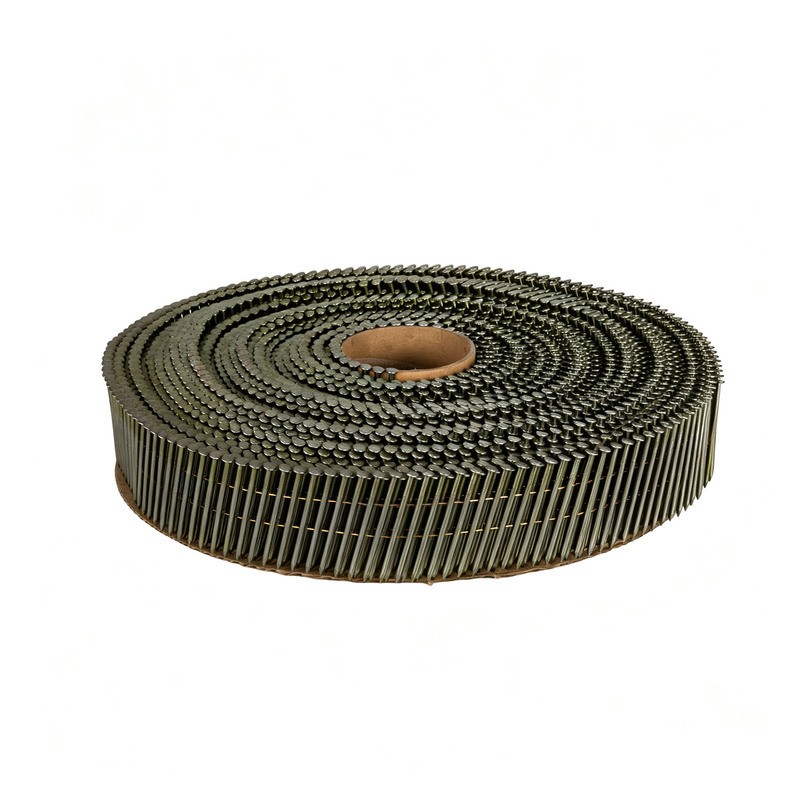
Coil nails are widely used in framing, siding, roofing, and pallet assembly because their collated format allows fast, continuous feeding. When a coil nail gun jams, productivity drops and the tool may be damaged if the problem is not addressed correctly. Understanding how coil nails feed through the magazine and driver mechanism helps operators identify the cause of a jam and apply the right coil nails jamming in nail gun solution without unnecessary downtime.
Why Coil Nails Jam in a Nail Gun: An Overview
A coil nail gun holds fasteners in a spiral collation that feeds through a circular magazine. As the driver blade cycles, the feed pawl advances the coil so the next nail aligns with the nose of the tool. A jam occurs when this sequence is interrupted—either the nail does not advance to the firing position, the driver blade cannot return fully, or a fastener becomes lodged between the magazine and the guide track.
Common symptoms include a nail gun that fires but drives no fastener, a driver blade that stops short of its full stroke, a magazine that will not index, or visible damage to the collation strip. Operators may also notice unusual resistance when loading a new coil or hear a change in the sound of the tool during operation.
Common Causes of Coil Nail Jams
Coil Nail Collation Problems
Collation is the plastic or wire strip that holds coil nails together at a consistent angle. If the collation is cracked, stretched, or misaligned, the nails may not sit at the correct angle for the driver blade. Loose collation can allow individual nails to shift, causing the feed pawl to miss or the nail to catch on the magazine track. Using a collation angle or nail type that is not intended for the tool can also produce repeated jams, because the magazine geometry and feed mechanism are designed around specific collation specifications.
Nail Gun and Fastener Mismatch
A nail gun is engineered for a defined range of nail lengths, diameters, and shank types. Using a nail that is too long, too short, or of a different shank style can cause the fastener to bind in the guide track or fail to seat properly against the driver blade. Magazine and driver blade compatibility issues are common when operators switch between fastener types without checking the tool's specifications. Even a small difference in nail head size or collation diameter can interfere with smooth feeding.
Tool Condition and Operator Factors
Wear and contamination are frequent contributors to coil nail jams. A worn driver blade may not retract cleanly, a dirty magazine can restrict coil movement, and insufficient lubrication can increase friction between moving parts. Operator technique also matters: overdriving into hard materials, incorrect air pressure or battery settings, and improper loading technique can all disrupt the feed cycle. Loading a coil without fully engaging the magazine latch, for example, may allow the coil to sit at an angle and jam on the first cycle.
Nail Gun Jam Troubleshooting: How to Clear a Jam Safely
Step-by-Step Jam Clearing Procedure
Safety must come first when clearing any nail gun jam. Disconnect the air supply or remove the battery before inspection. Open the magazine and release the coil according to the tool manufacturer's instructions. Remove the jammed fastener with a suitable tool—never with fingers—and check that no fragments remain in the nose or guide track. Once the obstruction is cleared, reinstall the coil, close the magazine securely, and reconnect power only when the tool is ready for operation.
Inspecting the Tool After Clearing a Jam
After clearing a jam, inspect the driver blade for chips or deformation, check the feed pawl and magazine for damage or debris, and verify that the collation of the replacement coil matches the tool's requirements. Look for loose fasteners or damaged collation that may have contributed to the jam. Before reloading, confirm that the nail size, shank type, and collation angle are compatible with the nail gun. If the same jam recurs immediately, stop operation and consult the tool manual or a qualified repair technician.
Preventing Nail Gun Jams Through Proper Setup and Maintenance
Coil Nail Gun Maintenance Practices
Regular cleaning and lubrication reduce friction and keep the feed mechanism operating smoothly. Follow the manufacturer's recommended inspection schedule, clean the magazine and nose area after each work session, and apply lubricant only where specified. Replace worn parts such as driver blades and feed mechanisms before they fail. Keeping a maintenance log can help identify recurring issues and schedule preventive service.
Fastener Selection and Storage
Choosing the correct coil nail size, shank type, and collation for the application is one of the most effective ways of preventing nail gun jams. Store nails in dry conditions to prevent collation degradation, and avoid exposing coils to moisture, extreme heat, or direct sunlight. Damaged or deformed coils should be discarded rather than forced into the magazine.
Coil Nail Specifications and Compatibility Considerations
Coil nails are available in a range of dimensions and shank types. Common shank styles include smooth, ring, and screw shanks, each intended for different holding requirements. Matching nail specifications to the nail gun and application involves checking the tool's rated nail length and diameter range, the required collation angle, and the material being fastened. A fastener that falls outside the tool's specified range is more likely to cause feeding problems, even if it appears similar in size. For related fastener options, see Coil Nails.
Public Company Information Reference
For readers seeking supplier background information, public company profiles list Xuzhou DingFeng Hardware Products Co., Ltd as the company name. The company can customize nail sizes, producing nails ranging from 2.1*22mm to 3.8*130mm, with shank types including ring, screw and smooth. The company was CE certified in 2017. These details are provided as a neutral reference to publicly listed company information and do not constitute an endorsement of any product or supplier.
Coil nail jams are usually traceable to collation condition, fastener compatibility, tool wear, or loading technique. A systematic approach to clearing jams safely and maintaining the tool can reduce downtime and extend equipment life. When in doubt about tool specifications or repair needs, consult the manufacturer's documentation or a qualified technician.