Understanding Coil Nail Jams in Nail Guns
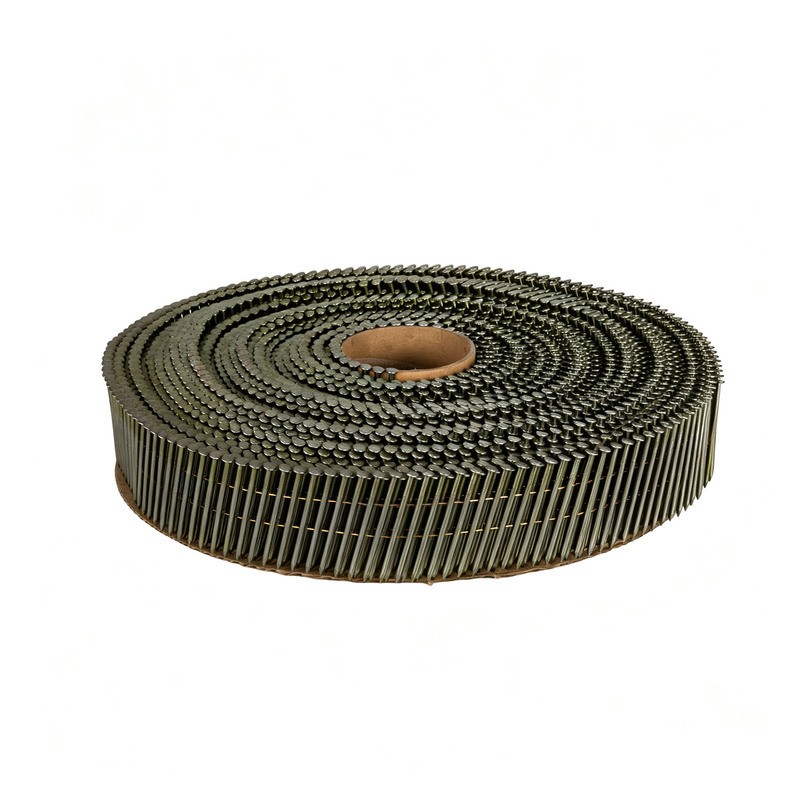
Coil nails are assembled into a spiral or wound strip that feeds through a dedicated magazine on a coil nailer. When the tool cycles, the magazine advances the collated coil so that the next fastener is positioned under the driver blade. Jams generally occur at three points in this sequence: during feeding, during positioning, or during the driving stroke. Understanding how collation and magazine feeding interact helps narrow down the cause when a coil nails jamming in nail gun solution is needed.
How Coil Nail Collation and Magazine Feeding Work
Coil nails are held together by wire, plastic, or paper collation, and the angle at which the nails are arranged is fixed by the collation. The magazine is shaped to accept a specific collation angle and nail head diameter. As the coil unwinds, the magazine track guides each nail shank toward the driving channel. Any mismatch between the collation geometry and the magazine track can interrupt this path before the nail reaches the driver blade.
Common Symptoms and Where Jams Typically Occur
Typical symptoms include inconsistent feeding, misaligned nail heads, a magazine that binds partway through a coil, or a tool that stops firing mid-sequence. Jams most often appear at the magazine entrance, where the coil first engages the track; at the transition from magazine to driving channel; and at the nose of the tool, where the nail is held for driving. Recognizing where the interruption happens is the first step in effective nail gun jam troubleshooting.
Coil Nail Jam Causes
Nail Collation Angle and Magazine Compatibility
Coil nail collation angle is one of the most common sources of feeding problems. If the collation angle does not match the magazine specification, the nail heads may sit at an angle to the driver path, causing the shank to bind in the track. A magazine designed for one angle will not reliably feed a coil assembled at a different angle, even if the nail diameter and length appear similar.
Coil Nail Shank Types and Material Factors
Coil nail shank types include smooth, ring, and screw shanks. Ring and screw shanks have textured surfaces that can increase friction in a worn or contaminated magazine track, while smooth shanks generally feed with less resistance. Nail material, coating, and head size also affect feeding: soft or deformed heads, excessive coating buildup, or heads outside the magazine's specified range can cause the coil to stall.
Tool Condition, Air Pressure and Operator Factors
Magazine wear, contaminated guide components, and unstable air pressure are frequent contributors. A worn magazine track or damaged feed pawl may fail to advance the coil consistently. Debris such as wood dust, adhesive residue, or dried lubricant can obstruct the feed path. Operator factors include over-tightening or under-tightening the magazine, loading the coil incorrectly, and using fasteners outside the tool's rated range.
Nail Gun Jam Troubleshooting
Step-by-Step Jam Clearing Procedure
- Disconnect the tool from its power or air source and relieve residual pressure before any inspection.
- Open the magazine and remove the coil.
- Extract any deformed or partially driven nails using appropriate hand tools, taking care not to scratch the feed track.
- Check the driving channel and nose for fragments.
- Reset the feed mechanism according to the tool manual.
- Reconnect the power or air source only after the magazine is closed and the tool is fully reassembled.
Magazine Adjustment and Fastener Fit Checks
Verify that the magazine is set for the correct collation angle and nail length range. Confirm that the coil sits squarely in the magazine and that the feed pawl engages the collation properly. Check fastener fit by confirming that the nail head diameter, shank diameter, and length fall within the tool's specified range. Magazine adjustment should be made with the tool disconnected and according to the manufacturer's instructions.
Preventing Nail Gun Jams
Matching Coil Nails to the Tool Specification
Selecting Coil Nails that match the tool's specified collation angle, nail length range, and shank type reduces the likelihood of feeding problems. Using the correct combination of coil nail collation angle and magazine setting helps maintain a consistent feed path. Fasteners outside the specified range should not be used, even if they appear to fit.
Maintenance and Operating Practices
Regular cleaning of the magazine track and feed mechanism removes dust and adhesive residue. Lubrication should follow the tool manufacturer's guidance, since excess lubricant can attract debris. Checking air pressure and the air line for stability helps maintain consistent cycling. Proper storage of coils prevents deformation, and careful loading according to the manual avoids misalignment.
Coil Nail Specifications and Public Company Reference
Coil Nail Size and Shank Options in Public Information
Publicly available information indicates that coil nail specifications can be customized within a range from 2.1*22mm to 3.8*130mm, with shank types including ring, screw, and smooth. These parameters are relevant when matching fasteners to a tool's rated capacity.
Company Profile and Certification Reference
As a neutral reference for public information verification, Xuzhou DingFeng Hardware Products Co., Ltd is listed as a company in this category. Public information states that the company obtained CE certification in 2017, at which time it operated 7 coil nail collation machines with supporting machinery and had added high-speed nail making machines and thread rolling machines. This information is provided for reference only and does not constitute a recommendation or purchase advice.
Matching Coil Nails to the tool, maintaining the magazine and feed path, and following a consistent jam-clearing procedure address most feeding problems. When a jam persists after basic checks, consult the tool manufacturer's documentation or a qualified service professional.