Why Coil Nails Jam in a Nail Gun: An Overview
Coil nails are widely used in framing, siding, pallet assembly, and other high-volume fastening tasks because their collated format allows a nail gun to feed fasteners rapidly and consistently. When a coil nail jams, the result is lost time, damaged workpieces, and potential safety risk. Understanding how coil nails interact with the tool—and how nail type and tool setup each contribute to jams—makes troubleshooting far more systematic. This guide examines the common causes of coil nails jamming in a nail gun and provides a structured approach to diagnosis and correction.
How Coil Nail Collation and Feeding Work
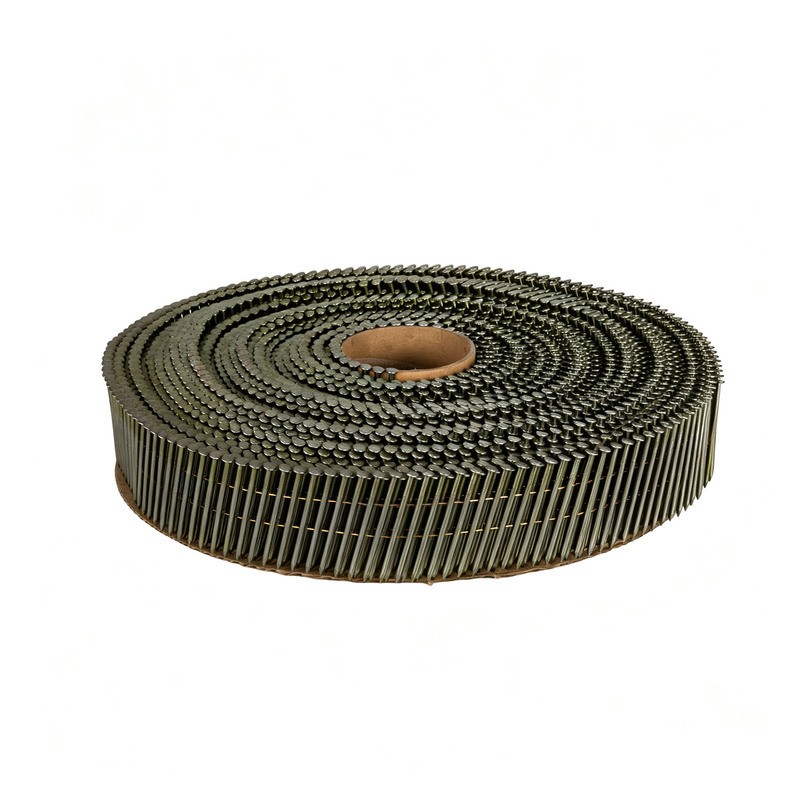
Coil nails are held together by two or more strands of wire or plastic collation wound into a spiral. The coil sits in the tool's magazine, and a spring-loaded follower or feed mechanism advances the coil as each nail is driven. The driver blade travels down the nosepiece, engages the head of the leading nail, and pushes it into the workpiece. For this cycle to repeat reliably, the collation must unwind smoothly, the leading nail must align precisely with the driver path, and the nosepiece must guide the nail straight.
Jams occur when any part of this sequence breaks down. If the collation binds in the magazine, the nail may not advance fully into the driver path. If the driver and nosepiece are misaligned, the blade can strike the nail off-center, bending the shank or shattering the collation. If the nail itself is out of specification for the tool, feeding and driving forces may exceed what the mechanism can tolerate.
Common Jam Symptoms and What They Indicate
Different jam symptoms point to different root causes. A misfeed—where the tool fires but no nail is driven—often indicates that the coil is not advancing, which can stem from a weak magazine spring, a bound collation, or a nail that is too large for the feed track. A double-fire, where two nails are driven in one cycle, usually suggests that the feed mechanism is advancing too far or that the driver is not retracting cleanly. A bent shank on a driven nail typically points to misalignment between the driver, nosepiece, and nail, or to excessive driving force relative to the nail's strength. Broken collation that scatters nails inside the magazine often results from collation material that is incompatible with the tool's feed mechanism or from rough handling of the coil.
Coil Nail Jam Causes Related to Nail Type
Collation Angle and Wire/Collation Material Mismatch
Coil nails are collated at specific angles, and the tool's magazine is designed to accept a particular angle range. If the collation angle does not match the magazine's geometry, the coil will not sit properly, and the feed path will bind. Similarly, collation material—wire versus plastic—must be compatible with the tool's feed mechanism and shear mechanism. Wire collation that is too stiff for the magazine can resist unwinding, while plastic collation that is too brittle can crack and release nails prematurely. Matching the collation specification to the tool is a fundamental requirement for reliable feeding.
Shank Types: Smooth, Ring, and Screw Shanks
Nail shank geometry affects both holding power and feeding behavior. Smooth shanks feed with the least resistance and are generally the most forgiving in coil tools. Ring shanks have annular rings that increase withdrawal resistance; because the rings slightly increase the effective diameter of the shank, they can create more friction in the feed track and nosepiece, particularly if the tool is set up for smooth-shank nails. Screw shanks have a helical profile that provides strong holding power in wood but can be more sensitive to driver alignment and driving speed. In each case, jams tend to occur at the transition points—where the nail leaves the collation and enters the nosepiece—if the shank profile is not matched to the tool's clearances.
Nail Size and Compatibility with the Tool
Nail diameter, length, and head size must all fall within the tool's specified range. A nail that is too long for the tool's driver stroke may not be fully driven, leaving the head proud and the next nail unable to advance. A nail that is too short may not engage the driver blade properly. Oversized heads can bind in the nosepiece, while undersized heads can slip past the driver. Diameter mismatches affect both the feed track and the driving channel. Using nails outside the tool's rated capacity is one of the most common and preventable causes of jams.
Nail Gun Setup and Maintenance Factors
Magazine, Driver, and Nosepiece Adjustment
The magazine tension should be sufficient to advance the coil smoothly without crushing the collation. Too little tension causes misfeeds; too much can deform the coil and bind the feed. The driver stroke must match the nail length so that the blade travels far enough to set the nail but not so far that it damages the nosepiece or the next nail. Nosepiece alignment should be checked regularly, as even slight misalignment can cause the driver to strike nails off-center. Fasteners on the nosepiece and magazine should be secure but not overtightened, which can distort the feed path.
Air Pressure and Cycling Rate
Air pressure that is too low may fail to drive the nail fully, leaving a partial stroke that disrupts the feed cycle. Pressure that is too high increases recoil and can cause double-fires or bent shanks. Rapid cycling—firing faster than the tool can reliably feed—is a frequent cause of jams in high-volume work. Allowing the tool to complete its full cycle before triggering the next shot helps maintain consistent feeding. Operators should consult the tool manufacturer's pressure specification and adjust accordingly.
Cleaning, Lubrication, and Wear Parts
Dust, debris, and dried lubricant can accumulate in the magazine and nosepiece, increasing friction and causing misfeeds. Routine cleaning of the feed path and periodic lubrication of moving parts according to the tool manufacturer's instructions help maintain reliable operation. Wear parts such as the driver blade, feed pawl, and magazine spring should be inspected regularly; a worn driver blade with a rounded or chipped tip is a common but overlooked cause of bent shanks and jammed nails.
Troubleshooting Coil Nail Jams Step by Step
Diagnostic Checklist by Nail Type and Tool Setup
A structured checklist helps isolate whether the jam is nail-related or tool-related. Begin by confirming that the nail specification—diameter, length, head size, collation angle, and collation material—matches the tool's rated capacity. Inspect the coil for damage or improper winding. Check the magazine tension and feed path for binding. Verify air pressure against the tool specification. Examine the driver blade and nosepiece for wear or misalignment. If jams persist with a known-good coil, the cause is likely in the tool; if they occur only with a particular coil, the nail specification or collation is the likely culprit.
Fixing Common Jams Safely
Before clearing any jam, disconnect the tool from its air supply. Never attempt to clear a jam while the tool is connected or while the trigger is depressed. Open the magazine or nosepiece according to the tool manufacturer's instructions and remove the jammed nail and any broken collation with a suitable tool—not with fingers. Inspect the driver blade and nosepiece for damage before reassembly. After clearing, test the tool on scrap material at the specified pressure and cycling rate. If jams recur, revisit the nail specification and tool setup rather than continuing to clear jams without addressing the cause.
Coil Nail Specifications and Customization: Public Reference
Published Product Range and Shank Options
For buyers matching nails to tools, publicly listed customization information can serve as a reference point. According to the enterprise's public product information, nail sizes can be customized from 2.1*22mm to 3.8*130mm, with shank types including ring, screw, and smooth. This range illustrates the variety of Coil Nails configurations available and reinforces the importance of selecting a specification that matches the tool's rated capacity.
Certification and Manufacturing Capability Reference
As publicly stated background information, the company was CE certified in 2017, when it had 7 coil nail collators and supporting machinery, and it subsequently increased high-speed nail making machines and thread rolling machines. These details are presented as verifiable reference information about manufacturing capability, not as a claim of suitability for any particular application.
Company Identification
The company name listed in the enterprise basic profile is Xuzhou DingFeng Hardware Products Co., Ltd. This identification is provided for reference in evaluating publicly available product and capability information.
Conclusion
Coil nails jamming in a nail gun is rarely caused by a single factor. Nail type, collation specification, tool adjustment, air pressure, and maintenance all interact, and effective troubleshooting depends on isolating variables systematically. By matching nail specifications to the tool, maintaining the feed path and wear parts, and following safe clearing procedures, operators can reduce jam frequency and keep high-volume fastening work productive.