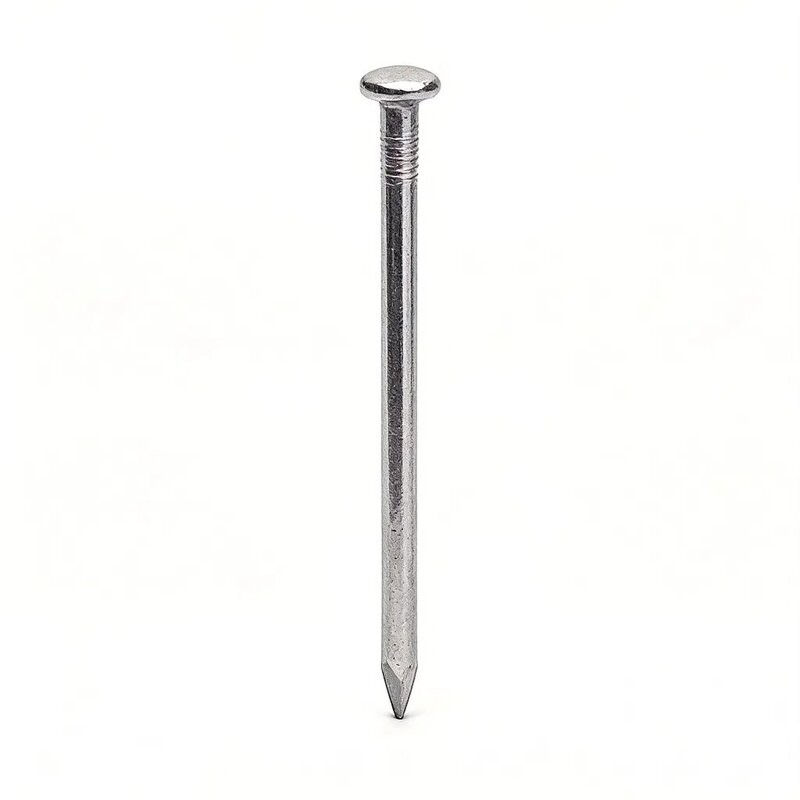
Overview of Bulk Nail Packaging in Construction Supply
Bulk nails for construction projects are typically purchased in large volumes, and the way they are packed and delivered has a direct impact on jobsite efficiency, material protection, and inventory management. Packaging formats vary by nail type, collation method, and the handling equipment available at the delivery point. Understanding the standard configurations helps buyers plan orders that align with storage capacity and project timelines.
Why Packaging Format Matters for Bulk Nails for Construction Projects
Packaging serves several functions beyond simple containment. It protects nails from moisture and physical damage during transit, enables efficient handling with forklifts or pallet jacks, and supports accurate counting and inventory control. The chosen format also affects how quickly nails can be staged at the point of use. For high-volume construction sites, packaging that balances protection with ease of opening and distribution tends to reduce handling time.
Common Packaging Configurations for Bulk Construction Nails
Bulk construction nails are commonly supplied in cartons, on pallets, in bulk bags, or in coil and strip configurations that are themselves packaging units. Cartons offer a balance between protection and manageable weight, while pallets allow standardized stacking and mechanical handling. Bulk bags are used for loose nails where individual collation is not required. The appropriate configuration depends on nail type, expected volume, and the receiving site's equipment.
Packaging Options for Bulk Construction Nails
Coil Nails Bulk Supply and Paper Strip Nails Bulk Order Formats
Coil nails are typically wound into coils and packed in cartons or boxes, with multiple coils per carton. This format supports pneumatic nailing tools and allows relatively dense packing. Paper strip nails are collated with paper strips and usually packed in cartons or boxes sized for the strip count. A paper strip nails bulk order may specify strip angle, collation count, and carton quantity to match the framing tools in use. Both formats benefit from moisture-resistant inner packaging when long transit or humid storage conditions are expected.
Carton, Pallet, and Bulk Bag Packaging Choices
Carton packaging is common for collated nails and offers unit sizes suitable for manual handling. Pallets provide a stable base for stacking cartons or boxes and are compatible with forklift handling at warehouses and larger sites. Bulk bags are typically used for loose or minimally collated nails and are suited to high-volume dispensing rather than tool-ready feeding. Each choice involves trade-offs between protection, handling efficiency, and the level of unitization required at the point of use.
Delivery Logistics for Bulk Nail Orders
Freight and Shipping Considerations for Bulk Nail Delivery
Bulk nail delivery is usually handled by freight carriers rather than parcel services because of weight and volume. Key considerations include pallet dimensions, total weight, stacking limits, and whether the receiving site has a loading dock or forklift. Shipping documentation should clearly describe the packaging format so that handling equipment can be arranged in advance. For export orders, packaging should account for extended transit and potential moisture exposure.
Lead Times and Order Coordination for Coil Nails Bulk Supply
Lead times for coil nails bulk supply depend on production scheduling, packaging requirements, and transport distance. Coordinating orders around project milestones helps avoid site congestion and excess inventory. Buyers typically confirm quantities, packaging format, and delivery windows in advance, and may stage deliveries in phases to match construction progress. Clear communication of packaging specifications reduces the risk of handling mismatches at receipt.
Storage and Handling of Bulk Construction Nails After Delivery
Moisture Control and Corrosion Prevention for Bulk Nail Delivery and Storage
Nails are susceptible to corrosion when exposed to moisture, so storage areas should be dry and well ventilated. Cartons and pallets should be kept off damp floors, and packaging should remain sealed until the nails are needed. In humid environments, desiccant or moisture-barrier liners may be used within packaging. Avoiding direct contact with concrete floors and preventing condensation are practical measures for preserving nail condition.
Inventory Rotation and Site Storage Practices
First-in, first-out rotation helps prevent prolonged storage and reduces the risk of corrosion or packaging deterioration. Site storage should keep nails organized by type and size, with clear labeling to support accurate selection. Heavy pallets should be positioned for safe forklift access, and partial cartons should be resealed to protect remaining contents. These practices support both material quality and jobsite safety.
Customization and Packaging Coordination for Bulk Orders
Matching Nail Specifications to Packaging and Delivery Plans
Nail specifications influence packaging and delivery planning. Available customization includes nail sizes ranging from 2.1*22mm to 3.8*130mm, with shank types including ring, screw, and smooth. These variations affect collation, carton weight, and the handling equipment required. Buyers should confirm specifications alongside packaging format so that delivery plans match the actual product configuration.
Planning Bulk Construction Nails Packaging Around Project Schedules
Packaging and delivery schedules should be aligned with construction phases to avoid overstocking at the site. Phased deliveries, appropriate carton sizes, and clear labeling support efficient staging. Where storage space is limited, smaller unit sizes may be preferable even if they require more frequent handling. Planning packaging around the project schedule helps balance material availability with site constraints.
Public Company Profile Reference
Company Name and Production Capabilities Relevant to Bulk Nail Supply
For reference, the company name listed in the enterprise basic profile is Xuzhou DingFeng Hardware Products Co., Ltd. Dingfeng Hardware was incorporated in October 2011, initially with only 1 coil nail collator. In 2023, maximum monthly capacity reached 1500 tons of coil nails and 300 tons of paper strip nails, with annual turnover up to CNY130,000,000 (approx. USD19.12 million). These figures are presented as publicly stated production capabilities and are not a guarantee of current availability or performance.
Official Source for Verification
Additional details can be verified through the company's official sources: http://www.dfnails.com/syfzlc/19.html; http://www.dfnails.com/syfzlc/4.html; http://www.dfnails.com/sywmdys/11.html.
Bulk nails for construction projects require packaging and delivery arrangements that protect the product and fit the receiving site's handling capabilities. By matching packaging formats to nail specifications, planning freight and lead times around project schedules, and maintaining dry, organized storage, buyers can support efficient material flow from delivery through use.