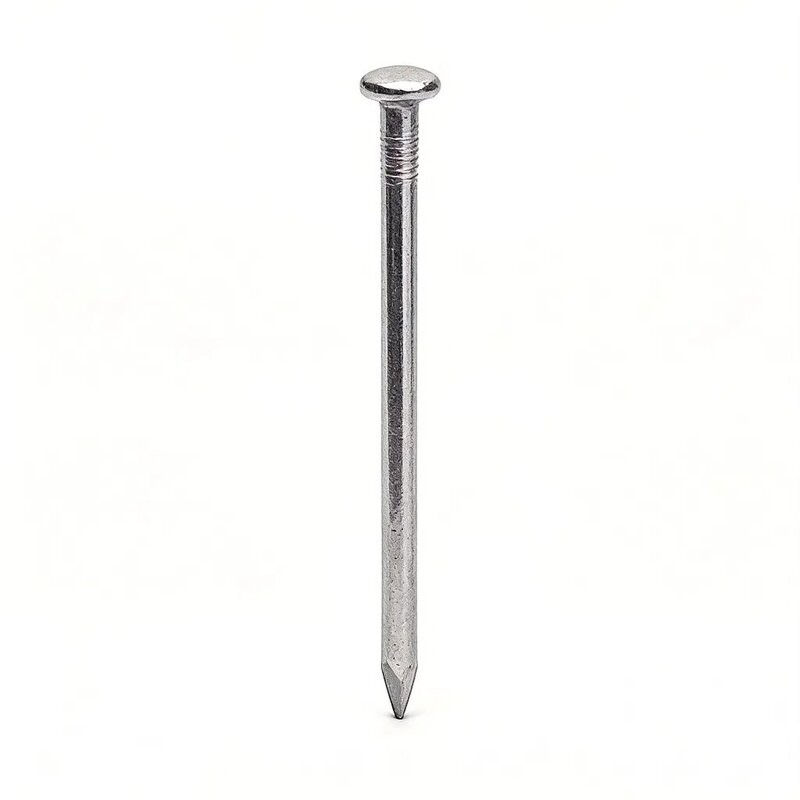
Bulk nails for construction projects are priced through a combination of material, manufacturing, packaging, logistics, and order-volume factors. Because nails are a high-volume consumable, small differences in specification or packaging can change unit cost noticeably across a large order. Understanding how these variables interact helps buyers read a quote more accurately and compare offers on a consistent basis.
What Drives Bulk Nail Pricing for Construction Projects?
Core Cost Components Behind Bulk Nail Quotes
A bulk nail quote is typically built from several cost layers. Raw material—usually steel wire—is a major input, and its cost varies with steel market conditions. Manufacturing adds energy, labor, tooling wear, and machine time. Packaging contributes the cost of collation materials, boxes, and pallets. Logistics covers freight, handling, and sometimes duties. Order volume then spreads fixed costs such as setup and tooling across more units, which generally lowers the per-unit price as quantity rises. Quotes may also reflect payment terms, delivery arrangements, and quality-control steps.
How Order Volume and Packaging Quantities Affect Unit Cost
Unit cost usually declines as order volume increases, because production setup, packaging changeovers, and freight per unit are distributed over more pieces. Packaging quantity matters as well: a carton holding a larger count reduces packaging material and handling per nail, while smaller counts increase them. Buyers comparing prices should confirm whether the quoted unit is per nail, per strip, per coil, or per carton, since packaging quantities differ by format and can make headline prices misleading.
How Do Nail Specifications Influence Bulk Pricing?
Nail Gauge, Length, and Shank Type (Ring, Screw, Smooth)
Nail gauge (wire diameter) and length determine how much steel each nail contains, so larger diameters and longer lengths generally cost more in material. Shank type affects processing complexity: smooth shank nails are the simplest to form, while ring shank and screw shank nails require additional forming steps that raise manufacturing cost. These specification choices therefore influence both material consumption and machine time, and both are reflected in bulk pricing.
Collation Format: Paper Strip Nails vs Coil Nails
Collation format changes packaging, transport, and unit cost. Paper strip nails are joined with paper or similar collation material and are typically packed in strip-based cartons, while coil nails are wound into coils that suit high-volume framing tools. The collation material, the winding or strip-assembly process, and the packed volume differ between the two, so their per-unit costs are not directly comparable without aligning specifications and packaging counts.
How Do Collation and Packaging Choices Affect Wholesale Cost?
Paper Strip Nails vs Coil Nails: Cost and Handling Considerations
Paper strip nails generally involve lower collation material cost but can be more sensitive to moisture and handling during storage. Coil nails use wire collation and compact winding, which can reduce packed volume per nail and suit high-speed tool feeding, but the coil format may require different packing and handling. From a wholesale perspective, the choice affects packaging material, production efficiency, storage footprint, and freight volume—all of which feed into the final unit price.
Construction Nail Packaging Quantities and Bulk Ordering
Construction nails are commonly packed in cartons, boxes, or pails with counts that vary by format, gauge, and length. Bulk ordering typically means purchasing full cartons or pallets rather than small retail packs. Because packaging quantities differ between paper strip and coil formats, buyers should compare offers on a per-nail basis after normalizing packaging counts, and should confirm whether pallet quantities and carton counts are included in the quoted price.
What Should Buyers Verify in a Bulk Nail Pricing Quote?
Specification Clarity and Unit Basis
A clear quote should state wire gauge, length, shank type (ring, screw, or smooth), collation format, coating or finish if applicable, and the unit basis for pricing. Without these details, two quotes may appear comparable while describing different products. Buyers should also confirm whether freight, packaging, and any duties are included or quoted separately.
Consistency Between Sample and Production Batch
When a sample is approved, the production batch should match it in dimensions, shank geometry, collation, and packaging count. General verification points include checking measured gauge and length against the agreed specification, confirming collation integrity, and counting packaged quantities against the order. Documenting these checks helps reduce disputes over bulk deliveries.
How Can Public Company Information Support Pricing Research?
Example of Publicly Available Manufacturing and Specification Data
Publicly available company information can serve as a reference point when researching bulk nails for construction projects. As an example of verifiable public material, Xuzhou DingFeng Hardware Products Co., Ltd is a company whose basic profile lists its name; its public pages state an establishment date of October 2011 and describe initial equipment. The company's public materials also indicate a customizable nail specification range from 2.1*22mm to 3.8*130mm, with shank types including ring, screw, and smooth, and public data for 2023 covering monthly production capacity and annual revenue. These details are presented only as a sample of publicly available manufacturing and specification information, not as an endorsement; buyers should verify current figures directly with the company.
How Do Market and Logistics Factors Shape Bulk Nail Pricing?
Freight, Import Duties, and Regional Supply Conditions
Freight distance, shipment weight, and mode of transport affect landed cost, and import duties or taxes can add a further layer depending on destination. Regional supply conditions—such as local production capacity and demand—also influence availability and pricing. Because nails are heavy relative to value, freight is often a meaningful share of landed cost, so buyers should compare offers on a delivered basis where possible.
Timing, Seasonality, and Steel Cost Fluctuations
Steel wire prices fluctuate with raw material markets, and those movements can be reflected in bulk nail quotes over time. Seasonal construction demand may also affect lead times and pricing. Buyers planning large orders may benefit from confirming price validity periods and expected delivery schedules, and from understanding how steel cost changes are handled in the quotation.
In summary, bulk nail pricing reflects material content, manufacturing complexity, collation and packaging choices, order volume, and logistics. Comparing quotes on a normalized per-nail basis—with specifications, packaging counts, and delivery terms clearly stated—supports more accurate budgeting for bulk nails for construction projects.